Blog
What is crochet?
Feb
What Is Crochet? A Beginner-Friendly Guide to Hooks, Stitches, Yarn, and Thread (Size 8 & Size 10)
If you’ve ever seen a lace doily on a table, a crisp decorative edge on a towel, or a delicate motif stitched into a table runner, you’ve seen crochet in action. People often ask what is crochet because it looks both simple and complicated at the same time. The truth is that crochet is built from a few core ideas: a hook, a strand, and a series of loops pulled through one another.
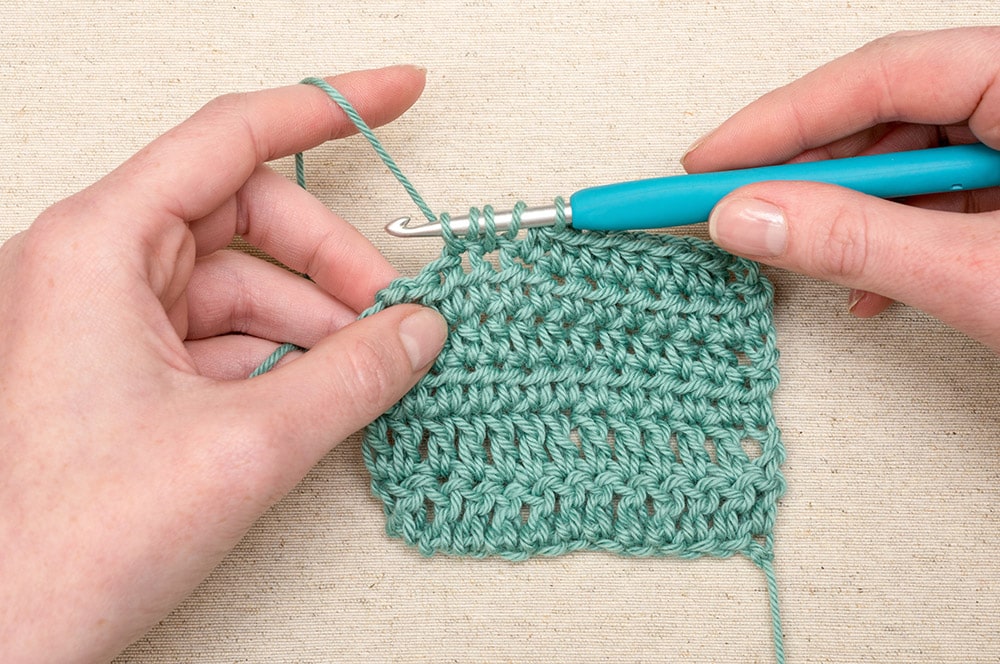
At its simplest, crochet is a method of making fabric by pulling loops through loops using a single hook. That loop structure is the whole mechanism. It’s also why crochet can produce very different results depending on what you use—thick yarn makes warm, dense fabric, while crochet thread can produce open lace. For a clean definition, you can reference Merriam-Webster’s “crochet” entry and Britannica Dictionary’s definition.
What is crochet, exactly?
So, what is crochet in plain language? Crochet is needlework that creates fabric from interlocking looped stitches formed with one continuous strand (yarn or thread) and a hooked tool. The word crochet comes from French and means “small hook,” which describes the tool that makes it possible.
Crochet can be worked in rows (back and forth) or in rounds (circles or spirals). Rows are common for scarves and blankets. Rounds are common for hats, doilies, motifs, and many decorative pieces. If you want some background on the craft and how it’s commonly described, Britannica also has a longer overview here: Crochet (craft) – Britannica.
What you need to start crocheting
If you’re new and wondering what is crochet going to require, the starter list is short:
-
A crochet hook
-
Yarn or crochet thread
-
Scissors
-
A yarn needle (tapestry needle) for weaving in ends
That’s enough to start. Tools like stitch markers, measuring tape, and blocking mats can help later, but they aren’t required to learn the basics.
Crochet hooks: size matters more than material
Hooks come in metal, bamboo, wood, plastic, and resin. The “best” hook is the one that feels comfortable and works smoothly with your chosen fiber.
What matters more is hook size:
-
Thicker yarn → larger hook
-
Finer thread → smaller hook
Thread crochet often uses steel hooks (smaller metal hooks designed for thread). If you want to browse options, your shop category is here:
Crochet hooks: https://lynscraftsyarns.com/product-category/accessories/crochet-hooks/
Yarn vs crochet thread: what’s the difference?
A big part of understanding what is crochet is knowing the material. Crochet can be done with yarn or crochet thread, but they behave differently and lead to different results.
-
Yarn is thicker and is usually labeled by yarn weight (like worsted, bulky, etc.).
-
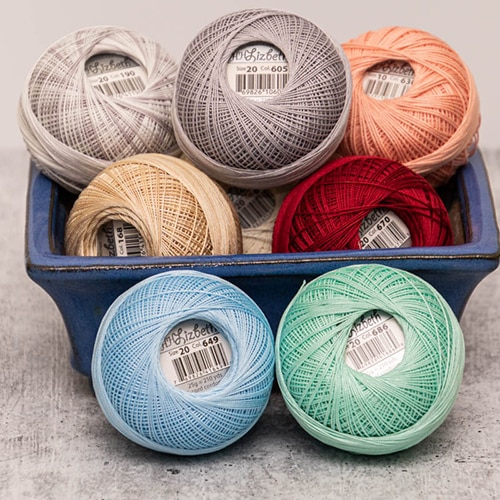
Crochet thread is finer and is labeled by thread size (like Size 3, Size 5, Size 8, Size 10, Size 20).
If you want the full comparison in your own site voice, you already have this internal post:
-
https://lynscraftsyarns.com/yarn-vs-crochet-thread-which-one-is-better/
(And/or: https://lynscraftsyarns.com/crochet-thread-vs-yarn-whats-the-difference/)
External reference (yarn weight standards):
Thread sizing: Size 8 vs Size 10 (what to expect)
One of the most common confusion points is that thread sizing doesn’t work like “bigger number = bigger thread.” With crochet thread, higher numbers usually mean thinner thread.
For most shoppers, Size 10 is the best-known “standard” because it’s widely used for doilies, lace motifs, and decorative home pieces. But Size 8 is also a popular, practical choice—especially when you want lace that is still refined, but slightly bolder and easier to see.
Here’s the simple way to think about it:
-
Size 10: classic lace size; very common pattern match; finer detail
-
Size 8: slightly thicker than Size 10; stitches show up a bit more; décor pieces can “read” better at a distance; often feels a little faster to work
If your readers want the “standard” explanation, you can link them here:
The 6 foundational crochet stitches (with abbreviations)
Most crochet patterns are built from a small set of stitches. Learning these abbreviations makes patterns far less intimidating.
| Stitch | Abbreviation |
|---|---|
| Chain Stitch | ch |
| Slip Stitch | sl st |
| Single Crochet | sc |
| Half Double Crochet | hdc |
| Double Crochet | dc |
| Treble Crochet | tr |
External references for stitch abbreviations and reading patterns:
-
https://www.craftyarncouncil.com/standards/crochet-abbreviations
-
https://www.craftyarncouncil.com/standards/how-to-read-crochet-pattern
What each stitch is used for (quick, practical notes)
-
Chain (ch): starting foundation; also creates spaces in lace
-
Slip stitch (sl st): joining rounds; moving position without adding height
-
Single crochet (sc): dense, sturdy fabric; holds shape well
-
Half double crochet (hdc): faster fabric than sc; still fairly solid
-
Double crochet (dc): very common; good height and speed; great for many items
-
Treble crochet (tr): tall and open; useful for airy fabric and lace textures
US vs UK terms (don’t get caught by this)
Patterns can use US or UK terminology, and stitch names don’t always match between the two systems. Many patterns specify which system they use at the top. If not, check before you start—especially if stitch height looks wrong compared to photos.
Reference: https://www.craftyarncouncil.com/standards/crochet-abbreviations
How crochet patterns work (without the overwhelm)
Once you understand what is crochet and you recognize stitch abbreviations, patterns are basically recipes. They rely on:
-
Abbreviations (sc, dc, tr)
-
Stitch counts (“dc in next 10 stitches”)
-
Repeats (“repeat from * to * across the row”)
Most beginners learn fastest by choosing a small project and looking up abbreviations as they go. You do not need to memorize everything upfront.
Blocking: why thread crochet looks “finished”
Blocking is a finishing step where you shape the finished piece—often by dampening it and pinning it into place while it dries. Blocking can make stitch patterns look cleaner and can dramatically open up lace, which is a big deal for doilies and motifs.
If someone asks what is crochet and points to crisp lace photos online, blocking is often part of the final look.
Choosing between Size 8 and Size 10 for thread crochet
Here’s a practical buyer guide that helps people choose without overthinking:
Choose Size 10 if you want:
-
maximum pattern compatibility (many patterns assume Size 10)
-
finer detail
-
a classic doily / lace look
Choose Size 8 if you want:
-
slightly bolder stitch definition (easier to see)
-
a touch more structure
-
lace that reads well for home décor
-
a slightly faster feel than Size 10
For many décor projects, Size 8 is a normal, intentional choice—not a compromise.
Shop crochet thread (Size 8 + Size 10)
If you want to start a lace or home décor project, these are the easiest places to begin:
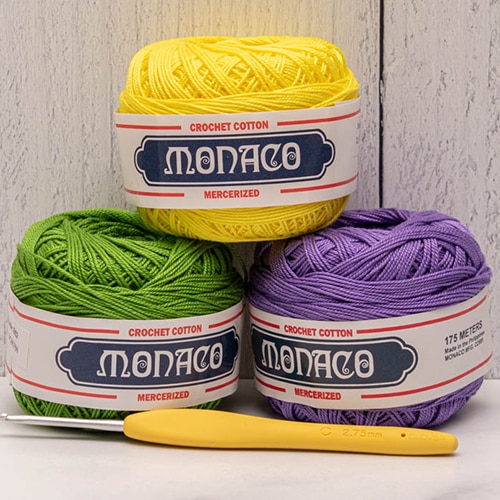
Start with Size 8 (Monaco) — great stitch definition for décor
-
Monaco Crochet Thread (Size 8): https://lynscraftsyarns.com/product-category/crochet-thread/monaco-crochet-thread/
-
Monaco background story: https://lynscraftsyarns.com/monaco-crochet-thread-from-the-philippines-to-you/
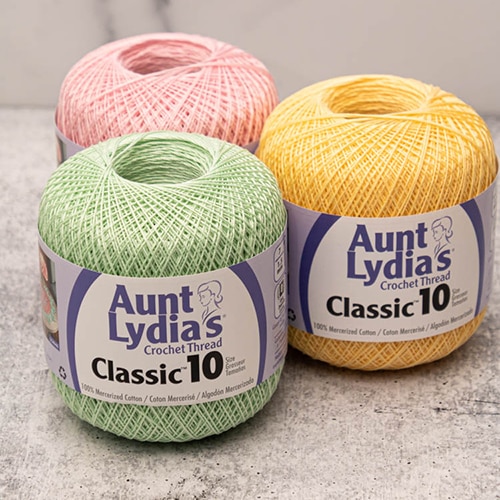
Prefer the standard Size 10 thread options
-
Aunt Lydia’s Size 10: https://lynscraftsyarns.com/product-category/crochet-thread/aunt-lydias-crochet-thread/aunt-lydias-crochet-thread-size-10/
-
Lizbeth Size 10: https://lynscraftsyarns.com/product-category/crochet-thread/lizbeth-crochet-thread/lizbeth-crochet-thread-size-10/
Tools + patterns
-
Crochet hooks: https://lynscraftsyarns.com/product-category/accessories/crochet-hooks/
-
Free patterns: https://lynscraftsyarns.com/product-category/pattern-library/free-patterns/
-
Premium crochet patterns: https://lynscraftsyarns.com/product-category/pattern-library/crochet-patterns/
Recommended reading (internal links)
-
Crochet thread vs yarn: https://lynscraftsyarns.com/yarn-vs-crochet-thread-which-one-is-better/
-
What is Size 10 crochet thread?: https://lynscraftsyarns.com/what-is-size-10-crochet-thread/
-
Crochet thread size substitution: https://lynscraftsyarns.com/crochet-thread-size-substitution/
-
Monaco thread background: https://lynscraftsyarns.com/monaco-crochet-thread-from-the-philippines-to-you/

